


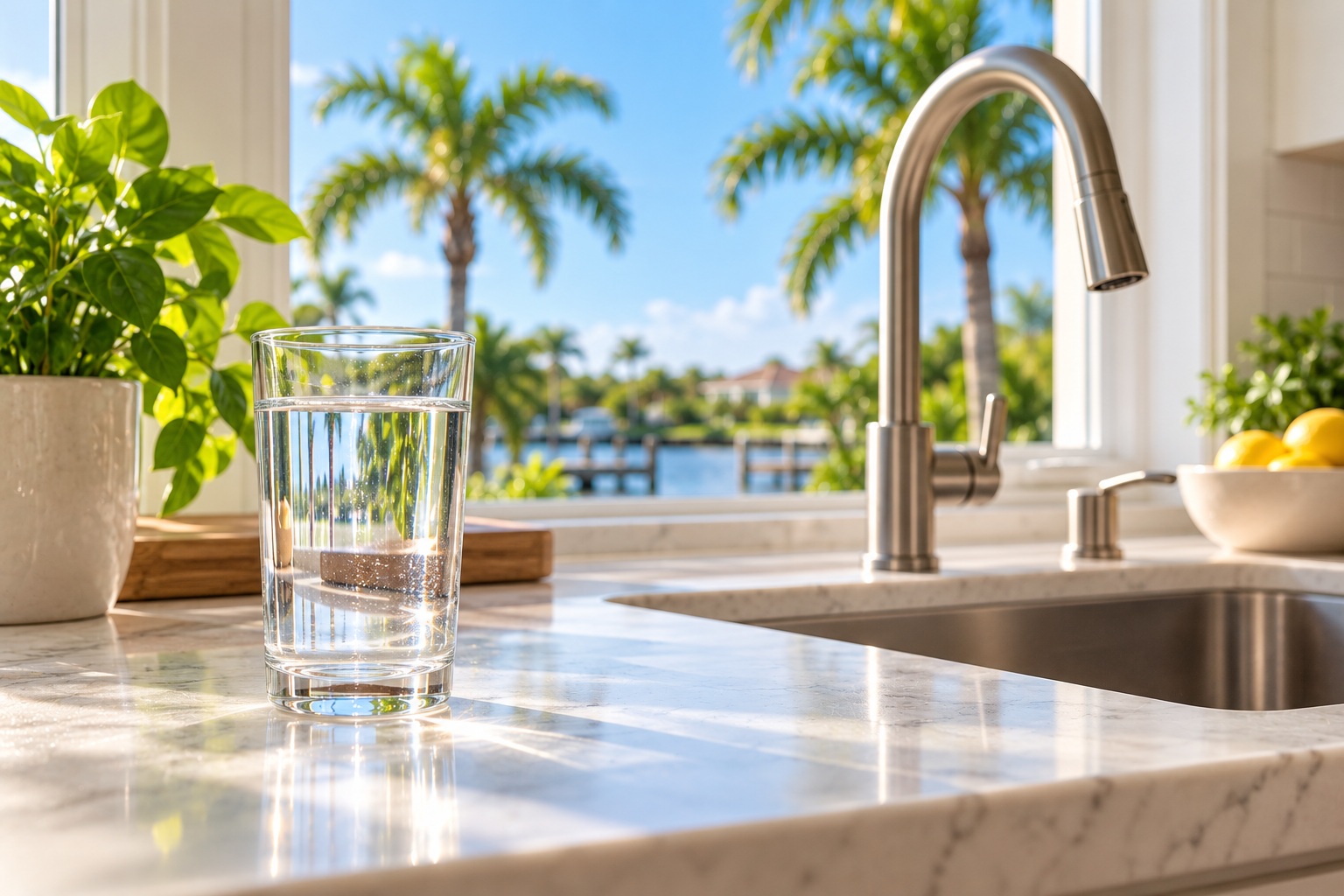
Trusted Commercial Water Softening & Filtration in Hudson
Businesses in Hudson, Florida, rely on dependable water systems for everyday operations, from preparing beverages and maintaining kitchens to supporting cleaning routines and water-using equipment. Aqua Soft Refined Water provides commercial water filtration solutions for businesses seeking to address water quality concerns and select treatment equipment suited to their properties. Located along Florida’s Gulf Coast in Pasco County, Hudson has a long connection to fishing, waterfront living, and community development. The area’s mix of commercial properties, service businesses, offices, and hospitality operations means water needs can vary considerably from one facility to another. Some businesses may want to improve the taste and odor of drinking water, while others may need to manage mineral buildup or evaluate specific water quality issues. Choosing a suitable filtration system starts with understanding the incoming water supply, identifying the property’s requirements, and determining which treatment technologies are appropriate. A properly selected system can help businesses manage water quality more consistently while supporting their daily activities and equipment needs.
Understanding Water Quality Needs in Hudson
Water quality can differ according to the source, plumbing infrastructure, and conditions within an individual property. Hudson receives water from a local community water system in many service areas, while some properties may have different supply arrangements. Businesses should confirm their own water source before choosing treatment equipment. Testing and reviewing available water quality information can help identify concerns that require attention instead of relying on assumptions about the entire area.
Identify the Main Water Concerns
Commercial water filtration planning may involve evaluating chlorine taste or odor, suspended sediment, hardness minerals, or other measurable characteristics. The right treatment method depends on the issue being addressed. A system designed to improve taste will not necessarily solve hardness problems, and a softener is not a substitute for every type of filtration. Identifying the concern first helps businesses avoid selecting equipment that does not match their needs.
Commercial Filtration Systems for Different Properties
Commercial facilities have different demands based on their size, number of fixtures, operating hours, and water consumption. A small office may need a straightforward solution for drinking water, while a restaurant or larger property may require equipment that can handle higher flow rates throughout the day. System capacity and installation requirements should be evaluated before choosing a product.
Whole-Property Water Filtration
Whole-property filtration treats water at a central entry point or designated supply line, depending on the system design. This approach may be appropriate when a business wants to address certain water quality concerns across multiple fixtures. Equipment selection should account for peak demand, available installation space, plumbing configuration, and the contaminants or characteristics the system is intended to reduce.
Activated Carbon Filtration
Activated carbon filters are commonly used to reduce certain taste and odor concerns, including those associated with chlorine in treated municipal water. They may be suitable for drinking water stations, food service areas, and other applications where water taste matters. Performance depends on the specific filter media, operating conditions, and maintenance schedule. Businesses should verify which substances a particular model is designed to reduce.
Reverse Osmosis for Drinking Water
Reverse osmosis systems can provide additional treatment at selected drinking water points, such as a dedicated faucet or beverage preparation station. These systems use a membrane to reduce various dissolved substances, depending on system specifications and water conditions. They may be useful where a business has specific drinking water quality goals. Proper prefiltration, appropriate system sizing, and scheduled filter and membrane replacement are important for dependable operation.
Managing Hard Water and Mineral Buildup
Hard water contains dissolved minerals, primarily calcium and magnesium. When water evaporates, these minerals can contribute to deposits on fixtures, surfaces, and equipment. In commercial environments, buildup may be noticeable on faucets, glassware, and water-heating components. The extent of the problem depends on the actual hardness level and how water is used within the property.
Water Softening Options
Commercial water softeners are designed to reduce hardness minerals through an ion-exchange process. Depending on the application, softening may help limit mineral scale and improve cleaning performance. Businesses considering a softener should assess water hardness, daily consumption, peak flow, regeneration requirements, and available drainage. A properly sized unit is important because equipment that is too small may struggle to meet demand during busy periods.
Consider Equipment and Operating Costs
Purchase price is only one part of the decision. Businesses should also consider installation, filter replacement, salt or other required supplies, water use, servicing, and the expected life of system components. Comparing these factors helps property managers evaluate the practical cost of operating a treatment system over time.
Choosing a Suitable Water Treatment Plan
A useful commercial water treatment plan should reflect the property’s actual conditions rather than rely on a one-size-fits-all package. Businesses in Hudson can begin by reviewing available water quality reports or arranging appropriate testing when concerns remain. The next step is to identify where treated water will be used and how much water the facility consumes during normal and peak operating periods.
- Review the water source: Confirm whether the property uses a community water supply, a private well, or another arrangement.
- Define treatment goals: Distinguish between taste and odor concerns, hardness, sediment, and other issues that require specific testing.
- Calculate demand: Consider simultaneous water use, daily volume, and the flow rate required by fixtures and equipment.
- Compare technologies: Select filtration, softening, or reverse osmosis equipment according to the intended application.
- Plan maintenance: Establish a schedule for inspections, filter changes, cleaning, and other manufacturer-recommended service.
Water Treatment Considerations for Hudson Businesses
Hudson’s history is closely connected to its Gulf Coast setting. The community developed from a small settlement in the nineteenth century, and fishing played an important role in its early economy. Today, the area includes residential neighborhoods, waterfront properties, local services, and commercial activity. This variety means businesses may have different water demands even when they operate within the same community. Waterfront location alone does not establish the quality of a building’s tap water, so treatment decisions should be based on the actual supply and test results rather than proximity to the Gulf. Businesses that serve customers or use water in daily operations can benefit from documenting existing concerns, keeping track of filter changes, and reviewing equipment performance when usage patterns change. These practices support more informed decisions about maintaining water quality over time.
Frequently Asked Questions
1. What is commercial water filtration?
Commercial water filtration uses treatment equipment to reduce selected substances or water quality concerns in business facilities. The appropriate system depends on the water source, test results, flow requirements, and intended use.
2. Can filtration improve the taste and odor of tap water?
Some filtration systems, particularly suitable activated carbon filters, can reduce certain taste and odor issues. Results depend on the filter design and the characteristics of the incoming water.
3. Does every Hudson business need a water softener?
No. A water softener is most relevant when hardness minerals are present at levels that warrant treatment. Testing the water and evaluating operational needs can help determine whether softening is appropriate.
4. How often should commercial water filters be replaced?
Replacement intervals vary by filter type, manufacturer guidance, water quality, and the volume of water processed. Following the specified maintenance schedule and monitoring system performance can help maintain effective operation.
5. How should a business choose a commercial water filtration system?
Start by confirming the water source, identifying specific concerns through testing, and estimating the required flow rate and daily capacity. Compare systems based on their treatment capabilities, operating requirements, maintenance needs, and compatibility with the property.
About Hudson
Founded in 1878 by Isaac Hudson, the town became famous for its expansive network of artificial saltwater canals, creating a unique community where thousands of waterfront residential and commercial properties have direct boat access to the Gulf of Mexico.
To get to the airport from Hudson, take FL-52 E to the Suncoast Parkway (FL-589 S) toward Tampa International Airport (TPA); approximate drive duration is 45 to 50 minutes.
Our Services
Whole House Water Filtration Systems
Activated Carbon Water Filtration
Under-Sink Water Filters
Reverse Osmosis Drinking Water Systems
Residential Water Softeners
Our Service Area
Hudson Beach, Heritage Pines, Sea Pines, Leisure Beach, Fairway Oaks
Address: 10020 US-19, Port Richey, FL 34668
Phone: 727-594-7349
Hours: Monday–Friday: 8:30AM – 4:30PM
Additional Resources
About Aqua Soft Refined Water
Why Choose Us
FAQ
Blog
Offers
Get In Touch!