


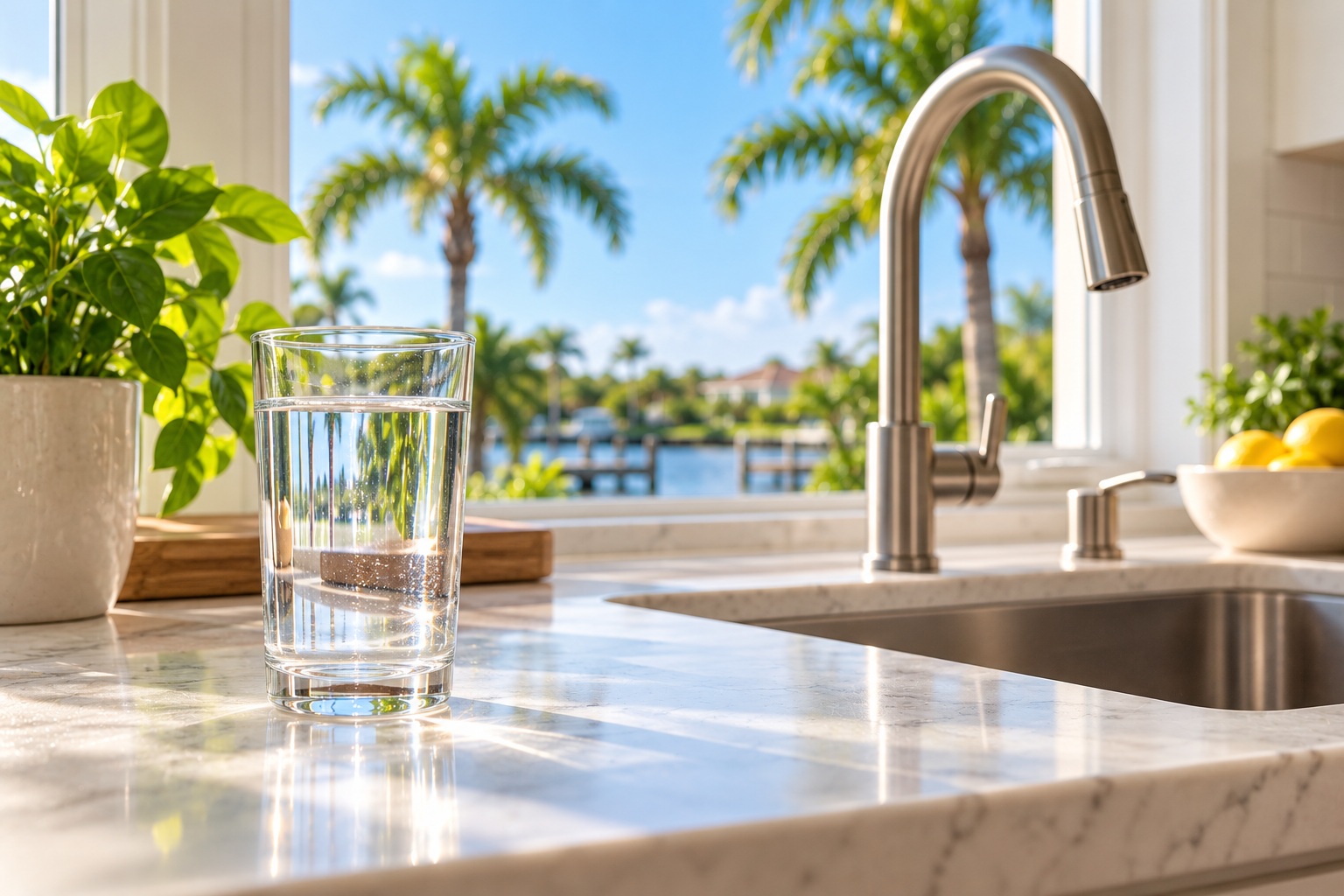
Leading Commercial Water Filtration Experts in Palm Harbor
Businesses in Palm Harbor, Florida, rely on consistent water quality for daily activities such as food preparation, beverage service, cleaning, and operating water-dependent equipment. Aqua Soft Refined Water offers commercial water filtration solutions for businesses seeking treatment options that match their facilities and water quality requirements. Located in northern Pinellas County, Palm Harbor is known for its historic downtown, local restaurants, retail businesses, professional offices, golf facilities, and proximity to the Gulf Coast. These different commercial environments have varying water needs based on building size, plumbing infrastructure, equipment, and daily consumption. Some businesses may want to improve drinking water taste and odor, while others may need to manage hardness minerals or reduce scale buildup. Selecting an appropriate commercial water filtration system begins with understanding the property’s water source and identifying the specific concerns that require attention. Water testing, flow-rate calculations, and an assessment of operating requirements can help determine which treatment technology is suitable. With appropriate equipment selection and routine maintenance, businesses can manage water quality more effectively while supporting their everyday operational needs.
Understanding Water Quality in Palm Harbor
Water quality can vary between properties depending on the supply source, distribution infrastructure, plumbing materials, and conditions within a building. Many commercial properties receive water from a public utility, while some locations may use private wells or other supplies. Businesses should confirm their individual water source before investing in treatment equipment. Reviewing available water quality information or arranging suitable testing can help identify specific concerns and determine whether filtration, softening, or another treatment approach is appropriate.
Identify the Main Water Quality Concerns
Businesses may consider water treatment because of chlorine-related taste or odor, sediment, hardness minerals, or other measurable characteristics. Each concern requires a suitable treatment method. Activated carbon filters can reduce certain taste and odor issues, while water softeners are designed to reduce hardness minerals. Properties using private wells may need additional testing to identify the characteristics of their supply. Understanding the actual water conditions helps businesses choose equipment that addresses their needs instead of relying on assumptions about the entire area.
Commercial Water Filtration Solutions
Commercial water treatment requirements depend on the type of business, daily consumption, peak flow rates, and intended use. A small office may need a drinking water filtration system for employees and visitors, while a restaurant, hospitality property, or larger facility may require equipment designed for higher demand. Businesses should also consider installation space, plumbing configuration, equipment compatibility, and access for routine servicing before selecting a system.
Whole-Property Water Filtration
Whole-property filtration treats water at a central entry point or designated supply line, depending on the equipment design. This approach may suit businesses that want to address selected water quality concerns across multiple fixtures. System capacity should match the property’s expected flow rate and usage patterns. Businesses should check product specifications to understand which substances a particular filter is designed to reduce. No single filtration system addresses every possible water quality issue, so treatment goals should be clearly defined before equipment is selected.
Activated Carbon Filtration
Activated carbon filtration is commonly used to reduce certain taste and odor issues, including those associated with chlorine in treated municipal water. Depending on the application, carbon filters may be suitable for drinking water stations, commercial kitchens, and beverage preparation areas. Performance depends on the filter media, incoming water conditions, flow rate, and replacement schedule. Choosing equipment designed for the intended application and following manufacturer maintenance recommendations helps support consistent filtration performance.
Reverse Osmosis for Drinking Water
Reverse osmosis systems use a semipermeable membrane to reduce various dissolved substances from water. Commercial systems may be appropriate for dedicated drinking water stations or applications with specific water quality requirements. Businesses should consider incoming water characteristics, expected daily volume, required output, and installation limitations when evaluating this option. Proper prefiltration and timely replacement of filters and membranes are important for maintaining system performance. The selected equipment should be suitable for the intended use and operating conditions.
Water Softening and Mineral Scale Management
Hard water contains dissolved minerals, primarily calcium and magnesium. These minerals can leave deposits on fixtures, create spots on glassware, and contribute to scale inside plumbing and water-using equipment. In commercial settings, mineral buildup may increase cleaning requirements or affect equipment that depends on heated water. Testing the water’s hardness helps businesses determine whether softening is appropriate and whether mineral deposits are likely to be an operational concern.
Commercial Water Softener Options
Commercial water softeners generally use ion exchange to reduce hardness minerals. When hard water is confirmed, an appropriately sized system may help manage scale and support cleaning routines. Businesses should consider hardness levels, daily consumption, peak flow requirements, regeneration needs, and available installation space. Correct sizing is especially important in facilities where multiple fixtures and machines may operate simultaneously.
Consider Long-Term Operating Requirements
Businesses should evaluate the full cost of operating a treatment system rather than focusing only on the purchase price. Installation, replacement filters, salt or other consumable supplies, servicing, and routine inspections can contribute to ongoing expenses. Following manufacturer instructions and keeping maintenance records can help property managers plan for service and monitor system performance over time.
How to Choose a Commercial Water Filtration System
A practical treatment plan should reflect the property’s actual water conditions and business requirements. Palm Harbor businesses can review available water quality reports or arrange appropriate testing when additional information is needed. After identifying the main concerns, property managers can compare treatment technologies, system capacity, and ongoing maintenance requirements to determine which option best fits their facility.
- Confirm the water source: Determine whether the property uses a public water supply, a private well, or another source.
- Define treatment goals: Identify whether the priority is taste, odor, hardness, sediment, or another measurable concern.
- Estimate water demand: Calculate expected daily consumption and peak flow requirements for fixtures and equipment.
- Compare suitable technologies: Evaluate filtration, activated carbon, reverse osmosis, and water softening according to their intended functions.
- Plan routine maintenance: Schedule inspections and component replacements according to manufacturer recommendations and operating conditions.
Water Treatment Considerations for Palm Harbor Businesses
Palm Harbor has a history dating back to the late nineteenth century, when the community was known as Sutherland. The settlement developed alongside the Orange Belt Railway, and its name officially changed to Palm Harbor in 1925. Today, the area combines historic commercial streets with shopping centers, restaurants, offices, recreation facilities, and established neighborhoods. Its varied commercial properties can have different water requirements, depending on their supply sources and daily activities. Restaurants may prioritize drinking water taste and beverage preparation, while offices may focus on convenient filtered drinking water and larger facilities may need to assess equipment protection and higher flow demands. However, location alone does not establish the quality of a building’s water. Businesses should base treatment decisions on their own supply, testing results, and operational requirements. Maintaining records of water concerns, filter changes, and service visits can help property managers monitor system performance and identify when maintenance or further testing may be necessary.
Frequently Asked Questions
1. What is commercial water filtration?
Commercial water filtration uses specialized equipment to reduce selected substances or address specific water quality concerns in business facilities. The appropriate system depends on the water source, testing results, flow requirements, and intended use.
2. Can commercial filtration improve drinking water taste?
Yes, certain filtration systems can reduce specific taste and odor issues. Activated carbon filtration is commonly used for some chlorine-related concerns, but results depend on incoming water conditions and the filter’s rated capabilities.
3. Do all Palm Harbor businesses need a water softener?
No. Water softening is most relevant when testing identifies hardness minerals at levels that warrant treatment. Businesses should evaluate their water conditions and operational requirements before deciding whether a softener is necessary.
4. How often should commercial water filters be replaced?
Replacement intervals depend on the filter type, manufacturer recommendations, incoming water quality, and volume processed. Following the recommended maintenance schedule helps support effective system operation.
5. How can a business choose the right filtration system?
Begin by confirming the water source and identifying specific concerns through testing. Then compare treatment capabilities, system capacity, installation requirements, operating costs, and ongoing maintenance needs before choosing equipment.
About Palm Harbor
Palm Harbor features the world-renowned Innisbrook Resort and Golf Club, home to the Copperhead Course which hosts the annual PGA Tour Valspar Championship, alongside historic downtown districts with historic oak-lined streets.
To get to the airport from Palm Harbor, head south on US-19 S to SR-60 E across the Courtney Campbell Causeway to Tampa International Airport (TPA); drive time is approximately 30 to 35 minutes.
Our Services
Whole House Water Filtration Systems
Activated Carbon Water Filtration
Under-Sink Water Filters
Reverse Osmosis Drinking Water Systems
Residential Water Softeners
Our Service Area
Innisbrook, Ozona, Crystal Beach, Highland Lakes, East Lake
Address: 10020 US-19, Port Richey, FL 34668
Phone: 727-594-7349
Hours: Monday–Friday: 8:30AM – 4:30PM
Additional Resources
About Aqua Soft Refined Water
Why Choose Us
FAQ
Blog
Offers
Get In Touch!